
This in-person undergraduate course provides a comprehensive introduction to the fundamentals of linear control systems. It covers system modeling, dynamic response, stability analysis, and classical control design techniques such as root-locus, Bode, and Nyquist methods. Students will learn how feedback influences system performance and how to design and tune controllers to achieve desired specifications. Practical examples and simulation exercises using MATLAB help bridge theory and real-world engineering applications.

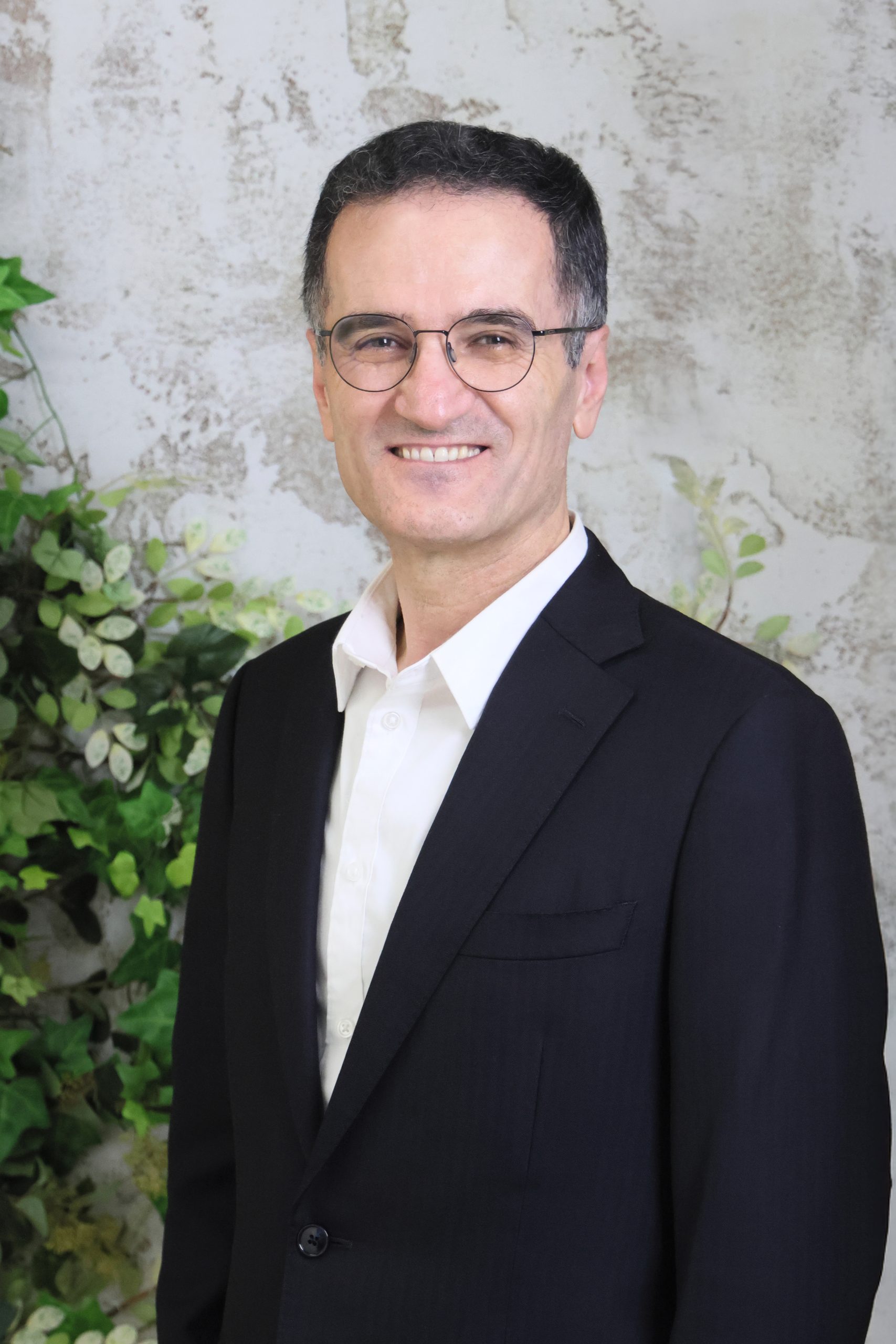
Prof. Hassan Bevrani received a PhD degree in electrical engineering from Osaka University in 2004. Currently, he is a full professor and the Founder of Micro/Smart Grids Research Center (SMGRC) at the University of Kurdistan. Over the years, he has worked as a senior research fellow and visiting professor at Osaka University, Kumamoto University, Kyushu Institute of Technology, Doshisha University, Nagoya University (Japan), Queensland University of Technology (Australia), Centrale Lille (France), Technical University of Berlin (Germany), and Shenyang University of Technology (China). He is the author/coauthor of 9 international books, 17 book chapters, and more than 500 journal/conference papers. Prof. Bevrani is a Fellow member of IEEE, and he was the guest editor and guest editor-in-chief of several volumes of Elsevier Energy Procedia, Energy Reports, and Modern Power Systems and Clean Energy. He is awarded the Allameh Tabatabaei Scientific Medal (National Foundation of Iranian Elites, 2025), an outstanding professor (Iran Ministry of Science, Research and Technology, 2022), IEEE Lifetime Research Award (IEEE Iran Section, 2025), outstanding Professor in Electrical Eng. (Iran Academy of Science, 2025, and top 1% of World Scientists based on total citations (2021~Now). His current research interests include microgrid operation and control, power system stability, and Intelligent/robust control applications in the power electric industry.